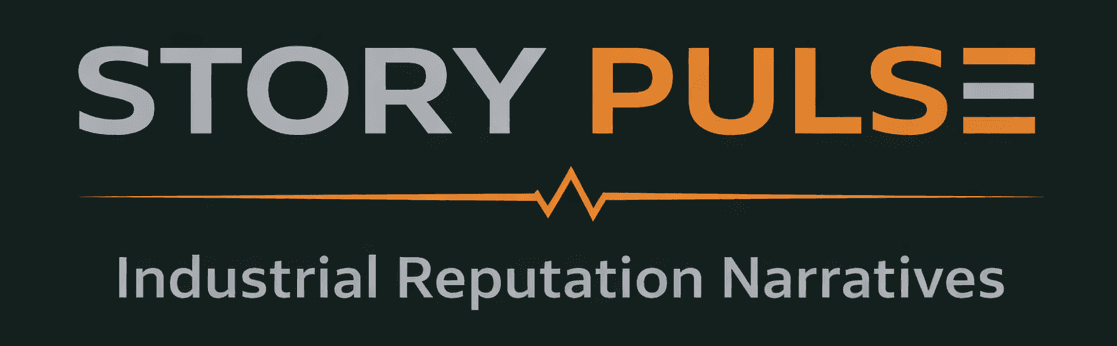
الصناعة الإماراتية
تنتقل من بناء المصانع إلى بناء القدرة
عندما تجتمع ثلاثة عناصر، تتغير قصة الصناعة
لم يعد الخبر الصناعي في الإمارات يُقرأ من زاوية واحدة
فما يحدث اليوم لا يتعلق فقط بإطلاق مصنع جديد، أو الإعلان عن وظيفة إضافية، أو تمويل شركة ناشئة
رغم أن هذه كلها مؤشرات مهمة، لكنها لا تشرح الصورة كاملة بوضوح
الصورة الأعمق أن الصناعة الإماراتية تدخل مرحلة أكثر نضجاً، مرحلة لا تُبنى فيها القدرة الصناعية بالاستثمار في الأصول المالية فقط، بل عبر ثلاثة أنواع من رؤوس المال: الإنسان، المعرفة، والتمويل.
الأول هو رأس المال البشري
فقد تجاوز مستهدف توفير الوظائف الصناعية للمواطنين الإماراتيين قبل موعده، وطرح فرص عمل جديدة عبر «مُصنّعين 2026»، وصل إجمالي فرص العمل المتوفرة في القطاع الصناعي 5200 وظيفة جديدة تم توفيرها في 3 سنوات فقط
هذا يعكس تحوّلاً مهماً في علاقة الشباب الإماراتي بالقطاع الصناعي، فلم تعد الصناعة تُقدَّم كمسار تقليدي محدود، بل كمساحة مهنية مفتوحة على التكنولوجيا المتقدمة، والطاقة النظيفة، والذكاء الاصطناعي، وسلاسل الإمداد، والتصنيع الذكي
وهنا تصبح الوظيفة الصناعية أكثر من رقم في بيان صحفي
إنها مؤشر على قدرة الاقتصاد على تحويل النمو الصناعي إلى مسارات مهنية وطنية مستدامة.
الثاني هو رأس المال المعرفي
مختبرات STEM، وبرامج تطوير مهارات الصناعة 4.0، لا تصنع موظفين جاهزين فقط. إنها تبني قابلية وطنية لفهم التكنولوجيا، وتشغيلها، وتطويرها، وربطها بالإنتاج الحقيقي.
في الاقتصاد الصناعي الجديد، لا تكفي القدرة على شراء التكنولوجيا
الميزة التنافسية تبدأ عندما تمتلك الدولة والشركات العقول القادرة على استيعاب هذه التكنولوجيا، وتكييفها، وتحويلها إلى قيمة تجارية وتشغيلية
لذلك، فإن الاستثمار في التعليم التطبيقي والمهارات التقنية ليس ملفاً تعليمياً منفصلاً عن الصناعة. بل هو جزء من سلسلة القيمة الصناعية نفسها
الثالث هو رأس المال التمويلي
الابتكار الصناعي يحتاج زمناً أطول من الابتكار الرقمي التقليدي. فالشركة الصناعية الناشئة لا تحتاج فقط إلى فكرة جيدة أو نموذج أولي مقنع
إنها تحتاج إلى معدات، شهادات، اختبارات، عقود توريد، رأس مال عامل، وقدرة على الصمود خلال دورة نمو أطول وأكثر تعقيداً
لهذا يصبح توسيع مسارات التمويل للشركات الابتكارية جزءاً أساسياً من بناء المنظومة الصناعية. فالتمويل هنا لا يؤدي وظيفة مالية فقط، بل يمنح الأفكار الصناعية فرصة للانتقال من المختبر إلى خط الإنتاج، ومن التجربة المحدودة إلى السوق
عندما تجتمع هذه العناصر الثلاثة، تتغير قصة الصناعة
لا نعود أمام «مصنع جديد» فحسب، بل أمام منظومة قادرة على التوظيف، والتعلم، والتمويل، والتوسع. منظومة تربط بين المواطن والمهارة، وبين المعرفة والتقنية، وبين رأس المال والنمو الإنتاجي
وهنا تحديداً تظهر الفرصة أمام الشركات الصناعية
فالشركة التي تملك قصة واضحة حول مساهمتها في بناء رأس المال البشري، أو تطوير المعرفة، أو توسيع الابتكار، لا تقدم نفسها كمورّد فقط. إنها تقدم نفسها كشريك في بناء القدرة الوطنية
في المرحلة المقبلة، لن يكون السؤال: ماذا تنتج الشركة؟
بل سيكون أيضاً: ما القيمة التي تضيفها إلى المنظومة؟
هل تخلق وظائف نوعية؟
هل تنقل معرفة؟
هل تطور مهارات؟
هل تدعم ابتكاراً قابلاً للتصنيع؟
هل تساعد الاقتصاد على بناء قدرة أكثر استقلالاً وتنافسية؟
هذه هي اللغة الجديدة للصناعة
لغة لا تكتفي بوصف المنتج، بل تشرح الأثر
وفي سوق تتزايد فيه المنافسة، وتتشابك فيه التكنولوجيا مع التوظيف والتمويل، ستملك الشركات الصناعية الأكثر وضوحاً في قصتها ميزة يصعب تجاهلها
لأن الصناعة القادمة لن تُبنى برأس مال واحد
ستُبنى بالإنسان، والمعرفة، والتمويل
والسؤال الأهم لكل شركة صناعية اليوم
ما رأس المال الأقوى في قصتك الصناعية؟
شركة صغيرة تواجه سؤالاً كبيراً
هل يكفي أن تمتلك شركتك منتجاً جيداً حتى تتعاقد مع الشركات الكبيرة، أم يجب عليك أولاً أن تثبت أنك جاهز للثقة؟
هذا تحد تواجهه الكثير من الشركات الصناعية والتكنولوجية الصغيرة والناشئة
تدخل كثير من هذه الشركات وتنتسب للمعارض والفعاليات بحماس كبير
تركز على منتج جديد. فريق متحمس. جناح مرتب. صور ومنشورات وحضور جميل
لكن في لحظة اللقاء مع مشترٍ كبير، أو شركة ريادية، يتغير السؤال
هنا يتوقف السؤال: ما هو المنتج؟
بل يصبح في عقل الشركة الريادية سؤالاً واحداً: هل هذه الشركة جاهزة للتوريد؟ هل يمكن الاعتماد عليها؟ هل تملك قصة واضحة وأدلة كافية؟
وهنا يبدأ الاختبار الحقيقي
في بيئة صناعية متسارعة، لم تعد المعارض مجرد مساحة للظهور. أصبحت منصات لاختبار الجاهزية التجارية
فالشركة الصغيرة التي تقف أمام مدير مشتريات أو مستثمر لا تُقيَّم فقط بناءً على جودة منتجها، بل بناءً على قدرتها على الإجابة عن أسئلة أعمق:
هل تستطيع التوريد بالكميات المطلوبة؟
هل لديها شهادات مطابقة واعتمادات واضحة؟
هل تشرح ميزتها بلغة يفهمها غير المهندس؟
هل يمكنها دعم المشروع بعد البيع؟
هل تملك مساهمة في المحتوى الوطني أو قيمة مضافة لسلسلة الإمداد؟
هذه الأسئلة هي ما تصنع الفرق بين شركة حضرت المعرض وشركة خرجت منه بفرصة حقيقية
الخطأ الشائع أن الشركات الصغيرة تدخل المعارض برسالة فنية تقول: هذا ما نصنعه. هذه مواصفاتنا. هذه صور منتجاتنا
لكن المشتري الكبير لا يبحث عن وصف طويل
هو يبحث عن طمأنينة عملية:
هل هذا الشريك سيقلل المخاطر أم يضيف مخاطر جديدة إلينا؟
لذلك تحتاج الشركات الصغيرة إلى سردية وقصة توريد، وليس مجرد كتالوج لعرض منتجات.
سردية التوريد تعني أن تقول الشركة بوضوح:
نحن نفهم متطلبات المشاريع الكبرى
نستطيع الالتزام
لدينا دليل أداء
نملك قدرة تشغيلية قابلة للتوسع
ونضيف قيمة محلية أو تجارية يمكن قياسها
عندها لا تبدو الشركة كعارض صغير ينتظر فرصة
بل كشريك ناشئ يعرف كيف يتحدث بلغة السوق الكبير
وهنا يأتي دور الإعلام الصناعي الاستراتيجي
ليس لتجميل الصورة، بل لتنظيم الرسالة
ليس لصناعة وعود كبيرة، بل لتحويل القدرات الحقيقية إلى قصة يمكن للمشتري تذكرها والدفاع عنها داخل مؤسسته
ففي النهاية، المعرض لا ينتهي عند إغلاق الجناح
المعرض الحقيقي يبدأ بعده:
في المتابعة، في العرض، في ملف الشركة، في القصة التي بقيت في ذهن المشتري
والشركة الصغيرة التي تفهم ذلك لا تسأل فقط:
كيف نظهر؟
بل تسأل:
كيف نثبت أننا جاهزون للثقة؟
كل شركة صغيرة تدخل معرضاً وطنياً تحمل طموحاً مشروعاً للنمو
لكن النمو لا يحتاج حضوراً فقط
النمو يحتاج سردية واضحة، أدلة موثقة، ورسالة تجعل المشتري يرى الشركة كشريك قادر على التوريد، لا مجرد مشارك في فعالية
في StoryPulse، نساعد الشركات الصناعية على تحويل قصتها إلى فرص تموضع، وثقة، وقرارات شراء

ماذا تعرف عن الإمارات
حين تتحول الرؤية إلى صناعة
في قلب المشهد الصناعي الإماراتي، يتشكل اليوم نوع جديد من الطموح، ليس مجرد توسع اقتصادي تقليدي، بل انتقال هاديء نحو بناء منظومات صناعية متقدمة، تربط الابتكار بالإنتاج، والرؤية بالتصنيع، والاستدامة بالمستقبل
هنا في دبي، يعمل فريق من المهندسين والفنيين على تجميع ما قد يصبح واحداً من أكثر المشاريع الصناعية دلالة في المنطقة: مركبة كهربائية بالكامل، جرى تصميمها وهندستها وتصنيعها في دولة الإمارات
هذا المشروع ليس مجرد إطلاق منتج جديد. إنه إعلان صناعي واضح يعكس انتقال الدولة من الاستهلاك إلى الابتكار، ومن الاستيراد إلى التصنيع، ومن المشاركة في التحول العالمي نحو التنقل النظيف إلى الإسهام في قيادته
وما يجعل القصة أكثر تأثيراً أن في قلب هذا المشروع امرأة إماراتية تقود مصنعاً في قطاع صناعي ثقيل، بما يعيد تشكيل الصورة التقليدية لمن يصنع المستقبل ومن يقود خطوط الإنتاج
قيادتها ليست رمزية، بل عملية واستراتيجية وحاضرة في تفاصيل التشغيل. وفي قطاع ظل طويلاً مرتبطاً بالقيادة الذكورية، يقدّم هذا النموذج تصوراً جديداً لمعنى التقدم الوطني، ولمن يملك القدرة على صناعته
أما المصنع نفسه فيعكس ملامح الثورة الصناعية الرابعة. أذرع روبوتية تتحرك بدقة هادئة، وأنظمة آلية تتابع كل قطعة وكل عملية وكل خلية بطارية، وبيانات تتدفق داخل المنشأة لتدعم القرار في الوقت الفعلي
إنه نموذج لمنشأة صناعية تعبّر عن تحول أوسع في هوية الخليج الصناعية: من الاعتماد على الموارد إلى بناء المنتجات، ومن الاستخراج إلى الابتكار، ومن البنية التقليدية إلى التصنيع المتقدم
لكن أهمية المشروع لا تقف عند التكنولوجيا وحدها. فهو ينسجم مع توجه وطني أوسع نحو توطين التصنيع، وتعزيز سلاسل الإمداد، وبناء قدرات صناعية سيادية قادرة على دعم الاقتصاد الوطني على المدى الطويل
وفي دولة أطلقت برامج طموحة لزيادة الإنتاج المحلي وتقليل الاعتماد على الواردات، تصبح المركبة الكهربائية الإماراتية أكثر من إنجاز صناعي. تصبح دليلاً عملياً على قدرة الدولة على تحويل الرؤية إلى منتج قابل للمنافسة
ويبدو أثر المشروع مرشحاً للتوسع خارج السوق المحلي، إذ يمكن أن يمتد حضوره إلى أسواق الخليج وشمال أفريقيا وأجزاء من أفريقيا جنوب الصحراء. وإذا نجح، فقد يصبح من أوائل المنتجات الصناعية في المنطقة القادرة على المنافسة عالمياً في قطاع تهيمن عليه شركات كبرى
غير أن أقوى ما في هذه القصة قد لا يكون المنتج وحده، بل قدرتها السردية
في عالم تتسابق فيه الدول لتحديد هويتها الصناعية، تمتلك الإمارات هنا عناصر قصة قوية: مصنع رائد، ومنتج نوعي، ورؤية وطنية للتصنيع، وقيادة تجسد الطموح والمرونة والقدرة على إعادة تعريف الممكن
إن بناء سردية قوية حول هذا المشروع يمكن أن يرفعه من مجرد إنجاز تصنيعي إلى رمز وطني، يلهم المستثمرين، ويجذب اهتمام الإعلام العالمي، ويضع الإمارات في موقع أكثر وضوحاً داخل مشهد التنقل الكهربائي
كما يمكن لهذه القصة أن تضيف صوتاً إماراتياً مختلفاً إلى السرد الصناعي الإقليمي الصاعد
فالقصة هنا ليست عن اللحاق بالآخرين، بل عن صياغة فصل جديد تلتقي فيه القدرة الصناعية، والتطور التكنولوجي، والقيادة الإنسانية، لإنتاج شيء لم يكن موجوداً من قبل
وهنا تكمن القوة الحقيقية لهذا المشروع: ليست في السيارة وحدها، ولا في المصنع وحده، بل في سردية دولة تبني مستقبلها بيديها
وإذا صيغت هذه السردية بوعي، فقد تصبح قيمتها لا تقل عن قيمة التكنولوجيا نفسها، لأنها ستحدد كيف يفهم العالم طموح الإمارات الصناعي، وهويتها، ومكانتها في القرن القادم
من المصنع إلى السماء
كيف تحوّل أبوظبي 500 ألف طن من النفايات إلى وقود للطائرات
على أطراف أبوظبي، حيث تلتقي الكثبان الرملية بالمصانع الثقيلة ومنشآت الأسمنت والحديد، تبدأ رحلة استثنائية… ليس من مدرج طائرات أو خزانات وقود، بل من أعماق مكبات النفايات، حيث كانت ملايين الأطنان تُدفن بصمت لسنوات طويلة باعتبارها بلا قيمة.
كل عام، تنتج أبوظبي ملايين الأطنان من النفايات، ويذهب الجزء الأكبر منها إلى المدافن التقليدية. لكن في نوفمبر 2025، بدأت قصة مختلفة تماماً.
فقد وقعت شركتا “مصدر” و”تدوير” اتفاقية استراتيجية تعكس تحولاً جديداً في طريقة فهم العلاقة بين الصناعة والاستدامة والطاقة.
الفكرة ليست مجرد محطة لتحويل النفايات إلى طاقة، فالعالم شهد عشرات المشاريع المشابهة من قبل. لكن ما يجعل هذا المشروع مختلفاً هو الدمج غير المسبوق بين تقنيتين متقدمتين على نطاق صناعي واسع.
الأولى: تحويل النفايات إلى غاز صناعي عبر تقنيات التغويز.
والثانية: إنتاج الهيدروجين الأخضر باستخدام الطاقة المتجددة.
وعند دمج التقنيتين، تكون النتيجة وقوداً مستداماً للطيران قادراً على تشغيل رحلات طويلة المدى مع خفض كبير في الانبعاثات مقارنة بالوقود التقليدي.
وسيعمل المشروع على معالجة نحو 500 ألف طن من النفايات سنوياً، لإنتاج كميات من الوقود المستدام تكفي لدعم أساطيل طيران كاملة.
لكن القصة الأعمق هنا ليست في الكيمياء وحدها، بل في الفلسفة التي تقف خلف المشروع.
فعلى مدى قرون، تعامل البشر مع الأرض باعتبارها مكاناً لدفن النفايات والتخلص منها. أما اليوم، فالمعادلة تتغير:
ما يُدفن اليوم… قد يصبح وقوداً للغد.
النفايات التي كانت تُترك تحت الأرض لعقود طويلة، ستتحول إلى طاقة تدفع الطائرات على ارتفاعات شاهقة، في انتقال رمزي من الأعماق إلى السماء.
وفي هذا السياق، قال محمد جميل الرمحي، الرئيس التنفيذي لشركة “مصدر”، إن المشروع يعزز مكانة الإمارات في مجال الطيران المستدام ويدعم قطاعاً حيوياً في الاقتصاد الوطني.
أما علي الزعابي، الرئيس التنفيذي لـ “تدوير”، فأشار إلى أن المشروع لا يغيّر فقط طريقة إنتاج الوقود، بل يعيد تعريف القيمة الحقيقية للنفايات نفسها.
لماذا الآن؟
العالم يواجه اليوم ضغطين متزامنين:
تزايد النفايات من جهة، وارتفاع الانبعاثات الكربونية من قطاع الطيران من جهة أخرى.
وفي الإمارات، لا يمثل الطيران مجرد وسيلة نقل، بل أحد المحركات الأساسية للاقتصاد الوطني.
ولهذا يجمع المشروع بين ثلاثة أهداف استراتيجية في وقت واحد:
• تقليل النفايات
• خفض الانبعاثات
• إنتاج وقود مستدام
وهو ما يعتبره كثير من خبراء الاقتصاد الدائري نموذجاً متقدماً للاستدامة الصناعية المتكاملة.
لكن القصة لا تتوقف داخل حدود الإمارات.
فالخطط الوطنية تستهدف إنتاج مئات الملايين من اللترات من وقود الطيران المستدام بحلول 2030، مع توجيه جزء كبير منها للتصدير، خصوصاً إلى الأسواق الأوروبية التي تسارع إلى خفض الانبعاثات في قطاع الطيران.
وهنا تتحول النفايات من عبء اقتصادي إلى مورد استراتيجي عالي القيمة.
وراء هذه الأرقام أيضاً قصص إنسانية لا تقل أهمية:
مهندسون إماراتيون يعملون على تطوير المعادلات الكيميائية، وعاملون داخل منشآت الفرز يدركون أن ما يمر بين أيديهم اليوم قد يتحول غداً إلى وقود لطائرات تعبر القارات.
أحد المهندسين المشاركين في المشروع لخّص الفكرة ببساطة حين قال:
“البعض يرى النفايات ويسأل أين نتخلص منها… أما نحن فننظر إليها ونسأل: كيف يمكن استخدامها؟”
وهنا يكمن الفرق الحقيقي بين عقلية الاستهلاك… وعقلية الصناعة.
وهذا المشروع ليس سوى البداية.
فالخطط المستقبلية تتضمن إنشاء منشآت إضافية ضمن رؤية أوسع تهدف إلى تقليل الاعتماد على المدافن التقليدية، وتحويل الاستدامة من شعار نظري إلى دورة اقتصادية متكاملة.
من المصنع إلى السماء.
من النفايات إلى الطاقة.
ومن التحديات… إلى حلول تصنعها الإمارات بنفسها.
هذه هي الإمارات اليوم:
لا تنتظر حلولاً جاهزة…
بل تبني مستقبلها الصناعي بيديها.

العملاق الهادئ
إعادة صياغة الدور في مستقبل الغذاء
في كل منطقة تشهد تحولات متسارعة، توجد شركات يتجاوز تأثيرها حدود المنتجات التي تقدمها. فالقيمة الحقيقية لا تُقاس فقط بما تنتجه، بل بالسرديات التي تبنيها، وبالأثر الذي تتركه هذه السرديات في الأجيال القادمة.
وعلى مدى عقود، ساهمت هذه المؤسسات في تشكيل نظرة المجتمعات إلى التغذية، وفهمها لمفهوم الصحة وجودة الحياة، كما لعبت دوراً هادئاً لكنه عميق في دعم الثقة والاستقرار والاستدامة.
لكن المنطقة تتغير اليوم.
والأولويات الوطنية تتطور.
وتوقعات الأسواق والمجتمعات ترتفع بوتيرة متسارعة.
وفي هذا المشهد الجديد، لن تقود المرحلة القادمة الشركات الأكبر حجماً فقط، بل الشركات القادرة على فهم حقيقة جوهرية:
أن السردية أصبحت جزءاً من الاستراتيجية نفسها.
فقصة الشركة لم تعد مجرد انعكاس لماضيها، بل أصبحت مؤشراً على مستقبلها.
إنها تؤثر في طريقة رؤية الأجيال الجديدة للفرص.
وتساهم في تشكيل مفهوم الشراكات لدى صناع القرار.
كما تؤثر في فهم المجتمعات لمعاني الصحة والاستدامة والمسؤولية.
والفرصة اليوم ليست في إعادة كتابة القصة، بل في الارتقاء بها.
في توضيح الدور الحقيقي الذي تؤديه الشركة بالفعل في مستقبل المنطقة، من الأمن الغذائي إلى الابتكار الصناعي، وتحويل هذه القصة إلى سردية أكثر حضوراً وقرباً وتأثيراً لدى الأجيال القادمة.
لأنه في عالم تتغير فيه المنتجات وتتطور فيه التكنولوجيا وتتحول الأسواق بسرعة، تبقى السرديات الأقوى هي تلك التي تعيد تشكيل طريقة تفكير الناس، وثقتهم، وطموحاتهم.
وبعض المؤسسات تمتلك بالفعل المقومات التي تجعلها قادرة على قيادة هذا الحوار.

الذهب الرمادي
كيف تحوّل الإمارات زيوت المطاعم المستعملة إلى وقود يحرّك آلاف المركبات
في زمن أصبحت فيه الاستدامة جزءاً من الاستراتيجية الاقتصادية، قد يبدو من الصعب تخيل أن الزيت المستخدم اليوم في طهي وجبة داخل مطعم، يمكن أن يتحول غداً إلى وقود يدفع المركبات على طرق الإمارات.
لكن هذا يحدث بالفعل.
ما يطلق عليه خبراء القطاع اسم “الذهب الرمادي” لم يعد مجرد نفايات تتسبب في انسداد شبكات الصرف وتضر بالبيئة، بل أصبح مورداً اقتصادياً متنامياً يدعم صناعة الوقود الحيوي داخل الدولة.
من المطبخ إلى خزان الوقود
تبدأ الرحلة داخل آلاف المطاعم والفنادق في دبي وأبوظبي. وهناك، تعمل شركات مثل Neutral Fuels على جمع زيوت الطهي المستعملة من المطاعم والفنادق وسلاسل الأغذية وحتى بعض المنازل عبر مبادرات مجتمعية متخصصة.
ما كان يُعتبر سابقاً نفايات عديمة القيمة… أصبح اليوم مادة خاماً عالية الأهمية.
ثورة التكرير الجديدة
داخل منشآت متقدمة في دبي وأبوظبي، تمر هذه الزيوت بسلسلة من العمليات الكيميائية والتقنية لتحويلها إلى وقود حيوي منخفض الانبعاثات.
وفي واحدة من أبرز الإشارات إلى تطور البحث العلمي المحلي، طوّرت جامعة خليفة مفاعلاً يعتمد على الموجات فوق الصوتية لإنتاج وقود حيوي بكفاءة أعلى وباستهلاك طاقة ومساحة أقل بكثير من الأنظمة التقليدية.
هنا لا تكتفي الإمارات بتطبيق التكنولوجيا… بل تساهم في تطويرها.
دبي… الأولى عالمياً
وفي خطوة لافتة، أصبحت دبي أول مدينة في العالم تعتمد رسمياً على الوقود الحيوي المستخرج من زيوت الطهي المستعملة لتشغيل جزء من أسطول مركباتها البلدية، عبر شراكة بين بلدية دبي وNeutral Fuels.
كما تبنت شركات كبرى هذا التوجه، من بينها ماكدونالدز الإمارات التي تشغّل مركباتها بوقود حيوي منتج بالكامل من زيوت مطاعمها، بعد أن قطعت ملايين الكيلومترات باستخدامه.
أما مجموعة اللولو، فقد انضمت هي الأخرى إلى هذا التحول عبر إدخال الوقود الحيوي ضمن أساطيل التوصيل التابعة لها.
الأثر بالأرقام
• أكثر من 40 مليون لتر من الوقود الحيوي يتم إنتاجها سنوياً
• خفض أكثر من 80 مليون كيلوغرام من انبعاثات الكربون
• تقليل الانبعاثات بنسبة تصل إلى 86% مقارنة بالديزل التقليدي
• وقود مصنوع في الإمارات وفق معايير عالمية معتمدة
سياسة وطنية تقود التحول
هذا التحول لم يحدث بالصدفة.
فالإمارات وضعت إطاراً تنظيمياً واضحاً عبر السياسة الوطنية للوقود الحيوي، ضمن رؤية أوسع للوصول إلى الحياد المناخي بحلول 2050.
وتعمل هذه السياسة على:
• تشجيع الاستثمار
• تنظيم الجودة والمعايير
• تحفيز مشاركة القطاع الخاص
• دعم الابتكار في الطاقة المستدامة
المرحلة القادمة
الابتكار لا يتوقف هنا.
فبعض الشركات بدأت بالفعل العمل على تحويل مخلفات الألبان والدهون الغذائية إلى وقود حيوي، فيما يجري تطوير مشاريع أكبر لتحويل الزيوت المستعملة إلى وقود طيران مستدام ضمن خطط الإمارات لإنتاج مئات الملايين من اللترات بحلول 2030.
وهنا تتحول الاستدامة من مجرد مفهوم بيئي… إلى منظومة صناعية متكاملة.
من مطابخ المطاعم…
إلى شرايين الطرق.
ومن النفايات…
إلى وقود يبني اقتصاداً أكثر استدامة.
الإمارات لا تعيد تدوير الزيوت فقط…
بل تعيد تعريف القيمة نفسها.

ماء من الهواء
أجهزة إماراتية "تشرب من السماء" لتوفير المياه في الأرض
في قرى جبلية بإمارتي رأس الخيمة والفجيرة، حيث تقترب الجبال من السماء، ظلّت المياه لسنوات واحدة من أصعب التحديات اليومية
بعيداً عن محطات التحلية وخطوط الإمداد الرئيسية، اعتمدت بعض المناطق على مياه الأمطار أو صهاريج النقل للوصول إلى احتياجاتها الأساسية
لكن المشهد بدأ يتغير
ظهرت أجهزة معدنية تعمل بالطاقة الشمسية، مثل أشجار، ولكنها ليست للظل، بل لاستخراج الماء مباشرة من رطوبة الهواء
الفكرة التي بدأت من سؤال بسيط
كيف يمكن لدولة ترتفع فيها الرطوبة أحياناً إلى أكثر من 70% أن تعاني شح المياه؟
هذا السؤال دفع المهندس الإماراتي سيف الياسي، مؤسس شركة "غيث لأنظمة المياه"، للتفكير بطريقة مختلفة
لماذا لا يتم تحويل رطوبة الهواء نفسها إلى مصدر للمياه؟
وفي الوقت نفسه، كان فريق بحثي في جامعة خليفة يعمل على تطوير أول نظام في العالم لاستخراج المياه من الهواء بالاعتماد الكامل على الطاقة الشمسية والتخزين الحراري
كيف تعمل هذه الأجهزة؟
تعتمد التقنية على آلية شبيهة بأنظمة التبريد، لكن بهدف مختلف
سحب الهواء الرطب عبر مراوح خاصة
تبريد الهواء إلى ما دون نقطة التكثف
تحويل بخار الماء إلى قطرات سائلة
تنقية المياه عبر مراحل متعددة تشمل الأشعة فوق البنفسجية والمعادن الطبيعية
أما العنصر الأهم، فهو تشغيل النظام بالكامل بالطاقة الشمسية، مع تخزين حراري يسمح بالعمل ليلاً ونهاراً دون الحاجة إلى شبكة كهرباء تقليدية
من المختبر إلى القرى الجبلية
في عام 2023، نجحت جامعة خليفة وشركاؤها في تشغيل أول نظام فعلي من هذا النوع في الإمارات
وتشير البيانات الحالية إلى أن
الوحدة الواحدة تنتج نحو 1000 لتر يومياً
الخطط المستقبلية تستهدف رفع القدرة إلى 7500 لتر يومياً
ويمكن للنظام التوسع تدريجياً ليصل إلى مليون لتر يومياً عبر التصميمات المعيارية
ما يجعل هذه التقنية مهمة ليس فقط إنتاج المياه
بل قدرتها على خدمة المناطق البعيدة عن البنية التحتية التقليدية
قصة ابتكار إماراتية
أسس سيف الياسي شركة "غيث لأنظمة المياه" عام 2022 بهدف تطوير حلول مائية أكثر استدامة واعتماداً على الطاقة النظيفة
ولا ترتبط الفكرة بالمياه فقط، بل أيضاً بـ
خفض الانبعاثات
تقليل الاعتماد على الوقود الأحفوري
دعم استراتيجية الأمن المائي الإماراتية 2036
والمساهمة في أهداف الحياد المناخي 2050
ويطمح المشروع مستقبلاً إلى التوسع خارج الإمارات نحو الدول التي تعاني نقصاً حاداً في المياه
الزراعة أيضاً… من الهواء
لم تتوقف الفكرة عند مياه الشرب
فقد ظهرت مشاريع إماراتية أخرى، مثل "DewHopper"، تعتمد على تكثيف الرطوبة داخل أنابيب أرضية لاستخدام المياه في الري الزراعي، مع استهلاك أقل للطاقة ومن دون الحاجة إلى شبكات توزيع معقدة
بمعنى آخر
أصبحت بعض المزارع الجبلية تنتج مياه الري من الهواء نفسه
البصمة الهادئة
ربما أكثر ما يميز هذه القصة أنها لا تُروى كثيراً
فبينما يركز العالم على محطات الطاقة الضخمة، تعمل هذه الأجهزة بصمت لتحويل الرطوبة إلى مصدر حياة يومي
وفي بعض المواقع التجريبية، استُخدمت المياه المنتجة لري مساحات خضراء وحدائق عامة داخل المناطق الجبلية، في مشهد كان يبدو مستحيلاً قبل سنوات قليلة
من جبال الإمارات
إلى حلول مائية قد تخدم العالم مستقبلاً
هكذا تتحول الرطوبة غير المرئية إلى مورد استراتيجي، عبر الهندسة والطاقة النظيفة والابتكار المحلي

ألمنيوم وُلد من ضوء الشمس
الإمارات العالمية للألمنيوم… سبائك إماراتية في طريقها إلى الفضاء
في عصر تتقاطع فيه الأرض مع الفضاء، تثبت الإمارات أن ما يبدو مستحيلاً قد يكون مجرد مسألة هندسية
هذه قصة معدن إماراتي وُلد من الطاقة الشمسية، وصُنع بأيادٍ إماراتية، قبل أن ينطلق في رحلة استثنائية إلى الفضاء
سباق الفضاء يحتاج معادن استثنائية
منذ إطلاق “سبوتنيك” عام 1957، أصبح الألمنيوم عنصراً أساسياً في صناعة الفضاء، بفضل خفة وزنه، وقدرته العالية على التحمل، ومقاومته للتآكل في الظروف القاسية
لكن صناعة الفضاء لا تعتمد على أي ألمنيوم، بل تحتاج إلى درجات فائقة النقاء والدقة الهندسية
وهنا برزت دولة الإمارات
CelestiAL أول ألمنيوم شمسي في العالم
في عام 2021، أصبحت "الإمارات العالمية للألمنيوم" أول شركة في العالم تنتج الألمنيوم تجارياً باستخدام الطاقة الشمسية
وحمل المنتج اسم: "CelestiAL" .. دمجاً بين: Celestial و Aluminium
وكأن الاسم كان يلمّح منذ البداية إلى وجهته القادمة: الفضاء.
يُنتج هذا الألمنيوم اعتماداً على الطاقة النظيفة القادمة من:
مجمع محمد بن راشد آل مكتوم للطاقة الشمسية في دبي،
ومحطة نور أبوظبي في سويحان
ويمثل ذلك تحولاً مهماً في صناعة تُعد الكهرباء فيها مسؤولة عن نحو 60% من الانبعاثات المرتبطة بإنتاج الألمنيوم عالمياً
MBZ-SAT: أكثر الأقمار الصناعية تطوراً في المنطقة
طوّر مركز محمد بن راشد للفضاء القمر الصناعي "MBZ-SAT"، الذي يُعد من أكثر أقمار مراقبة الأرض تطوراً في الشرق الأوسط، ويحمل اسم صاحب السمو الشيخ محمد بن زايد آل نهيان رئيس دولة الإمارات "حفظه الله".
وأُطلق القمر في 14 يناير 2025 من قاعدة فاندنبرغ الجوية في ولاية كاليفورنيا الأمريكية
شراكة إماراتية صنعت رحلة إلى الفضاء
ضمن إحدى المحطات البارزة في منصة "اصنع في الإمارات"، تعاقد مركز محمد بن راشد للفضاء مع "الإمارات العالمية للألمنيوم" لتوريد ألمنيوم CelestiAL، قبل أن تقوم شركة "جلف اكستروجنز" في جبل علي بتحويله إلى مكونات هيكلية أساسية للقمر الصناعي.
هذا التعاون بين:
الإمارات العالمية للألمنيوم،
ومركز محمد بن راشد للفضاء،
وجلف اكستروجنز،
يعكس نموذجاً صناعياً إماراتياً متكاملاً يجمع بين الصناعة المتقدمة، والاستدامة، وتكنولوجيا الفضاء
أول مكونات فضائية إماراتية متكاملة
لأول مرة، تدخل مكونات إماراتية متكاملة بالكامل إلى قطاع الفضاء، بدءاً من المعدن الخام وحتى الأجزاء النهائية المصنعة محلياً
لماذا يتميز الألمنيوم الإماراتي؟
لا يُعد CelestiAL منتجاً تقليدياً، بل يمثل جيلاً جديداً من المعادن الصناعية المتقدمة
يُنتج باستخدام الطاقة الشمسية
يساهم في خفض البصمة الكربونية بصورة كبيرة
يعتمد على تقنيات صهر طورتها الإمارات العالمية للألمنيوم عبر أكثر من 30 عاماً من البحث والتطوير
يتمتع بدرجات نقاء مناسبة لصناعات الطيران والفضاء والسيارات
وفي عام 2023، أطلقت الشركة CelestiAL-R كأول ألمنيوم في العالم يجمع بين الطاقة الشمسية وإعادة التدوير
عملاء عالميون وثقة صناعية متقدمة
يستخدم الألمنيوم الإماراتي اليوم في تطبيقات صناعية متقدمة لدى شركات عالمية كبرى، منها:
BMW
Brembo
Mercedes-Benz
Nissan
Hyundai Mobis
و مركز محمد بن راشد للفضاء
الأثر البيئي… بالأرقام
يمثل قطاع الألمنيوم نحو 2% من الانبعاثات العالمية السنوية لغازات الدفيئة.
أما "الإمارات العالمية للألمنيوم"، فتشير بياناتها إلى:
انخفاض كثافة الانبعاثات بنسبة 35% مقارنة بالمتوسط العالمي
هدف للوصول إلى الحياد المناخي بحلول 2050
إعادة التدوير تستهلك طاقة أقل بنسبة تصل إلى 95% مقارنة بالإنتاج التقليدي
من صحراء الإمارات…
إلى الفضاء الخارجي
هكذا تتحول الصناعة إلى قصة هندسية تتجاوز حدود الأرض

نهضة أبوظبي الصناعية
من عرض المنتجات إلى هندسة المستقبل
في المشهد الصناعي المتسارع في دولة الإمارات، لم تعد الإعلانات عن المبادرات الجديدة أمراً نادراً. لكن بعض الخطوات تحمل ما هو أبعد من إطلاق اسم جديد أو كيان مؤسسي إضافي، إذ تعكس تحولات أعمق قد تعيد تشكيل البنية الاقتصادية بهدوء وعلى المدى الطويل.
وهذا ما يبدو واضحاً في تجربة منصة “صناعة” وهي تابعة لشركة إماراتية مقرها أبوظبي، وتدعم المنتجات المصنوعة في الإمارات. فبعد أن ارتبط اسمها لسنوات بالترويج للمنتجات الوطنية الإماراتية، اختارت اليوم مساراً أكثر طموحاً: الانتقال من دور العارض إلى دور المهندس الذي يساهم في بناء مستقبل الصناعة نفسها.
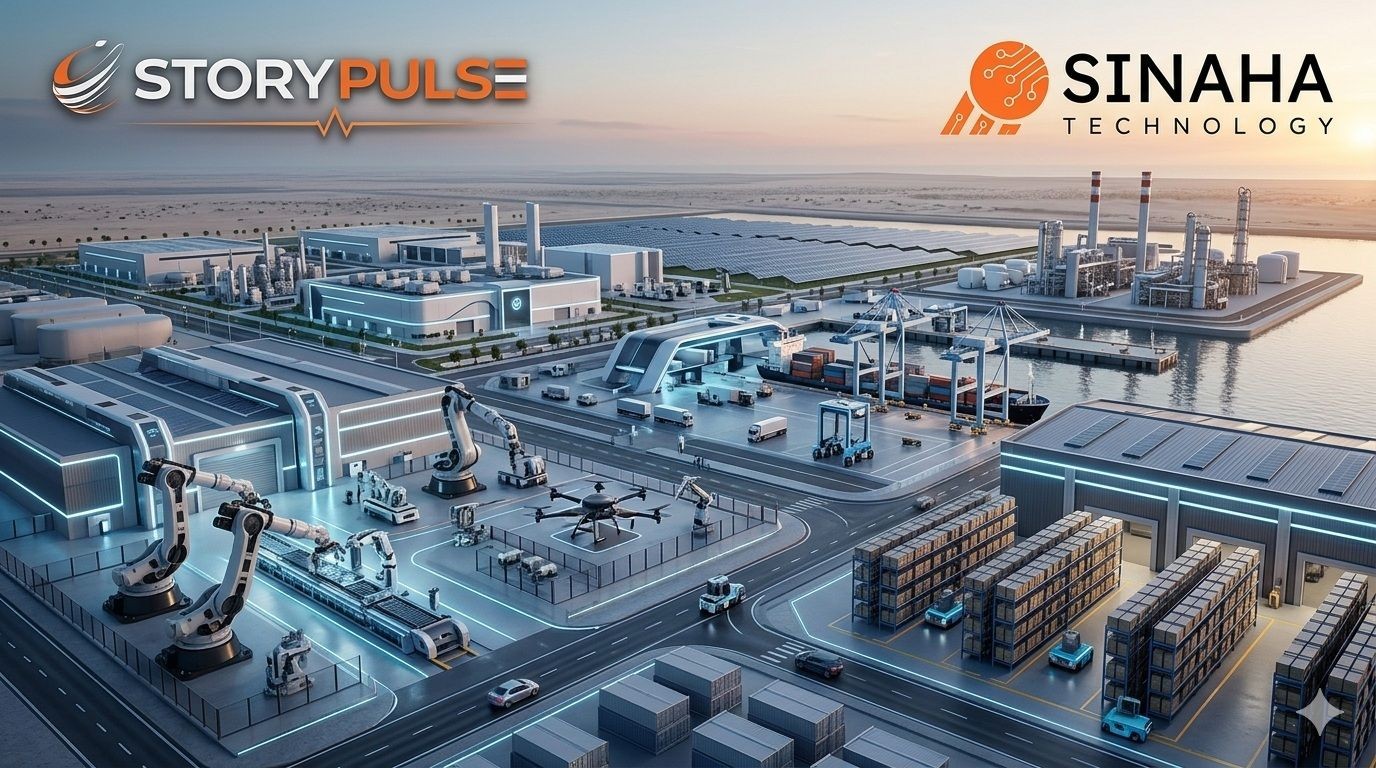
ومن هنا جاءت “Sinaha Technology”، ليس كشركة تبيع حلولاً جاهزة فقط، بل كجهة تعمل على تطوير البنية التقنية للصناعة القادمة، سواء عبر الروبوتات الصناعية، والطائرات الذاتية، وأنظمة التخزين الذكية، أو حلول الأتمتة واللوجستيات المتقدمة المرتبطة بقطاع الطاقة في الإمارات.
لكن القصة الحقيقية لا تكمن في التكنولوجيا وحدها، بل في المنطق الاستراتيجي الذي يقف خلفها.
فالسياسة الصناعية الإماراتية تدخل اليوم مرحلة جديدة، لم تعد فيها القدرة على الإنتاج وحدها كافية لتعزيز التنافسية. بل أصبحت القيمة الحقيقية مرتبطة بمدى ذكاء المصانع، وسرعة توسعها، وقدرتها على دمج الأتمتة والتقنيات المتقدمة داخل عملياتها.
وهذا يتطلب منظومة وطنية قادرة ليس فقط على استيراد التكنولوجيا، بل على تطويرها وتوطينها وبناء قدراتها داخلياً.
ومن هنا تكتسب هذه الخطوة أهميتها.
فالانتقال من دعم المنتجات الإماراتية إلى توطين التكنولوجيا الصناعية نفسها يعكس تحوّلاً أكثر عمقاً في طريقة فهم المستقبل الصناعي في الدولة.
وتبدو الدولة وكأنها تستعد لمرحلة تُقاس فيها القوة الصناعية ليس بحجم الإنتاج فقط، بل بحجم القدرات التي تمتلكها الشركات لبناء مستقبل أكثر تطوراً واستدامة.
ولهذا، ربما لم يعد السؤال الحقيقي الذي يواجه المصانع اليوم: “هل تنتجون؟”
بل: “هل أنتم مستعدون للمستقبل؟”
فالتحول الصناعي لا يتعلق بالماكينات والآلات وحدها، بل بالسردية التي تجمع بين الطموح، والاستثمار، والثقة.
وفي StoryPulse، نؤمن أن الشركات التي تبني شيئاً مهماً في الإمارات تحتاج أيضاً إلى قصة قادرة على توضيح قيمة ما تبنيه، وتحويل هذه القدرة الصناعية إلى تأثير حقيقي يفهمه السوق والمستثمرون وصناع القرار.
أثر غياب السردية الإعلامية
لماذا تخسر بعض الشركات الصناعية فرص التصدير؟
في كثير من المناقصات التصديرية التي تضيع على الشركات الصناعية، لا تكون المشكلة دائماً في السعر أو جودة المنتج أو القدرة التشغيلية
أحياناً تكون المشكلة أكثر هدوءاً
وأكثر ارتباطاً بالورق من خطوط الإنتاج نفسها
فالمنتج قد يكون ممتازاً
والمصنع معتمداً
وشهادات الجودة مكتملة
لكن القصة… غائبة
ما بعد المصنع: من يشرح هذه القيمة؟
في بيئة تنافسية مفتوحة، تواجه المنتجات الإماراتية منافسة شرسة في أسواق دولية من شركات مدعومة بسياسات صناعية وحوافز حكومية وأسواق ضخمة.
وفي كثير من الأحيان، لا يفوز أفضل منتج فقط…
بل أفضل قصة قادرة على شرح قيمتها وأثرها، وإقناع المشتري بها
فالمشتري الدولي لا يزور المصنع دائماً
بل يرى:
• العرض الفني
• العرض المالي
• الملف التعريفي للشركة
• الحضور الرقمي والإعلامي
وإذا كانت هذه العناصر تبدو عامة أو سطحية أو غير مترابطة، تدخل الشركة المنافسة العالمية بأدوات سردية ضعيفة، مهما كانت قوة خطوط إنتاجها
الكثير من الشركات تستفيد فعلياً من بيئة صناعية متقدمة داخل دولة الإمارات، ومن برامج مثل المحتوى الوطني والتحول التكنولوجي الصناعي، لكنها لا تعرف كيف تشرح معنى ذلك للمشتري الخارجي
نادراً ما تتحول هذه المزايا إلى رسالة واضحة مثل:
اختيار مصنع إماراتي يعني الشراكة مع واحدة من أكثر البيئات الصناعية استقراراً وتطوراً في المنطقة
وهنا تضيع ميزة كاملة
فقط لأن أحداً لم يكتبها بالشكل الصحيح.
عندما يتحول الصمت إلى مخاطرة
في زمن اضطراب سلاسل الإمداد، لم يعد الصمت الإعلامي نوعاً من التواضع
بل أصبح مخاطرة استراتيجية
فالمشتري يريد أن يعرف:
• كيف تتعامل الشركة مع الأزمات؟
• كيف تدعم السياسات الوطنية استمرارية سلاسل التوريد؟
• ما معنى أن تكون الشركة جزءاً من منظومة صناعية وطنية متقدمة؟
وإذا لم تكتب الشركة هذه القصة بنفسها…
فإما أن يكتبها غيرها، أو يترك الفراغ انطباعاً سلبياً
السردية ليست رفاهية إعلامية
السرد الصناعي ليس إعلاناً دعائياً فقط، ولا فيديو ملهم على وسائل التواصل
بل السردية هي جزء فعلي من ملف التصدير نفسه، لأنها قصة الشركة والمنتج معاً
هي جزء من:
• مقدمة العرض الفني
• صفحة "من نحن"
• طريقة تقديم المصنع أمام لجان التقييم
• الحضور الرقمي الذي يراجعه العميل قبل توقيع أي عقد
وعندما تغيب هذه السردية، تبدو الشركة مجرد اسم إضافي في قائمة طويلة من الموردين
أما عندما تكون سردية وقصة الشركة واضحة ومترابطة
